Grinoz

Free shipping across India on orders over ₹1,499 · See this season’s offers

Home  /  Know Your Ingredients

Ingredient guides

Know what makes every ingredient extraordinary.

Short guides to the soil, season and traditions behind each of our five single-origin ingredients, and how to get the best from them in your kitchen.

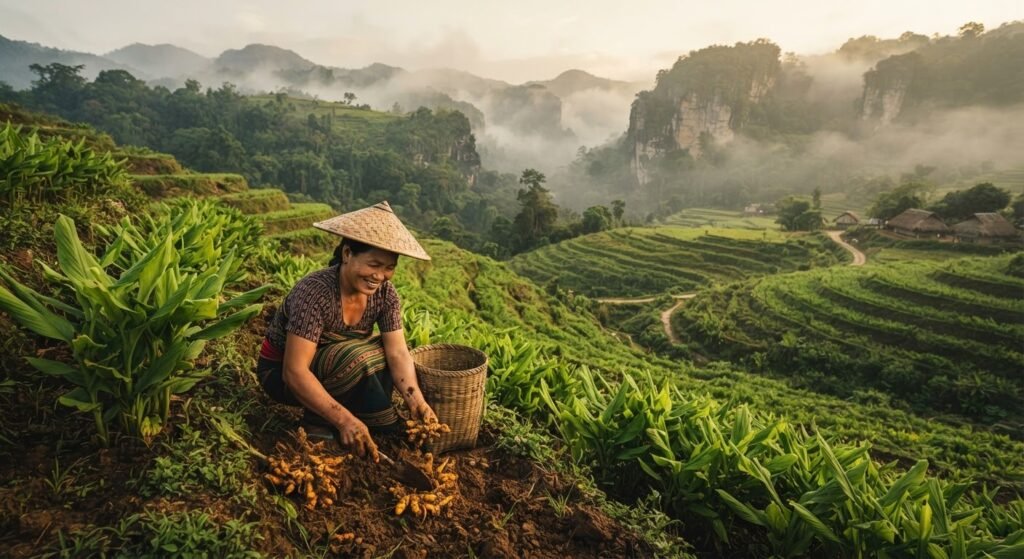
Turmeric harvest in the Jaintia Hills, Meghalaya

01 · Meghalaya

Lakadong Turmeric: the high-curcumin turmeric of the Jaintia Hills

Limestone soil, monsoon rain and a heritage seed stock

Lakadong is a heritage variety of turmeric grown by farming families in the Jaintia Hills of Meghalaya. The region’s mineral-rich limestone soil and long growing season give the rhizome a deeper colour and a markedly higher natural curcumin content than everyday turmeric.

  • Botanical nameCurcuma longa
  • RegionJaintia Hills, Meghalaya
  • HarvestNovember – January
  • Grown byHill farming families

7.82%

Curcumin

1,200 m

Elevation

9–10 mo

Crop cycle

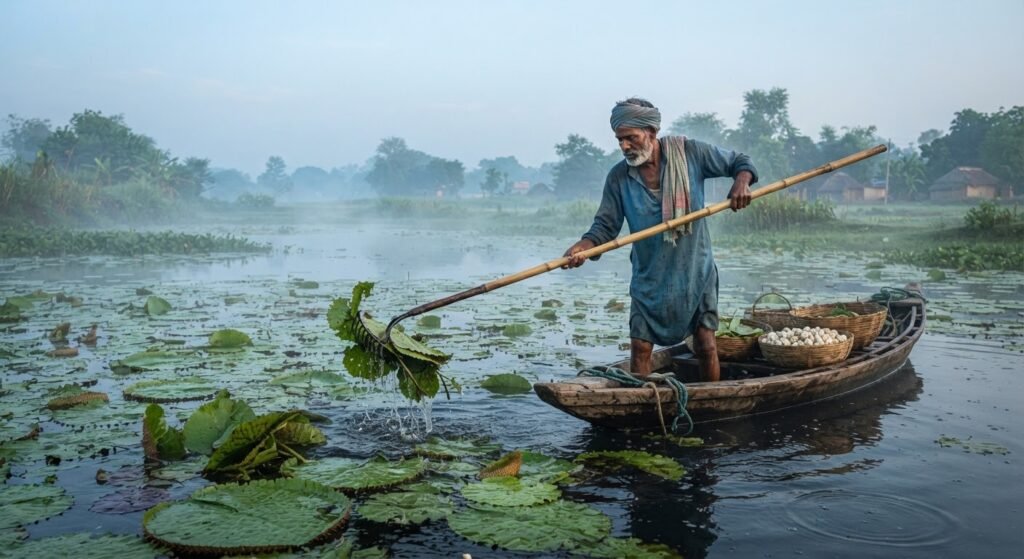
Forager clearing water-lily leaves on a misty pond

02 · Bihar

Mithila Makhana: the water-lily seed of north Bihar

Wetland ecology, pond-bed foraging and clay-pot popping

Makhana is the seed of the prickly water lily, Euryale ferox. In the oxbow lakes and ponds of Mithila, harvesters gather the dark seeds from the silt of the pond floor, dry them in the sun, then roast and crack them by hand so the kernel pops into a light, crisp puff. In Maithili culture it is part of the trinity of “paan, makhana and machh”.

  • Botanical nameEuryale ferox
  • RegionDarbhanga & Madhubani, Bihar
  • HarvestAugust – October
  • Gathered byMallah fishing communities

1.5 m

Pond depth

28 °C

Water temp

1 : 3

Pop expansion

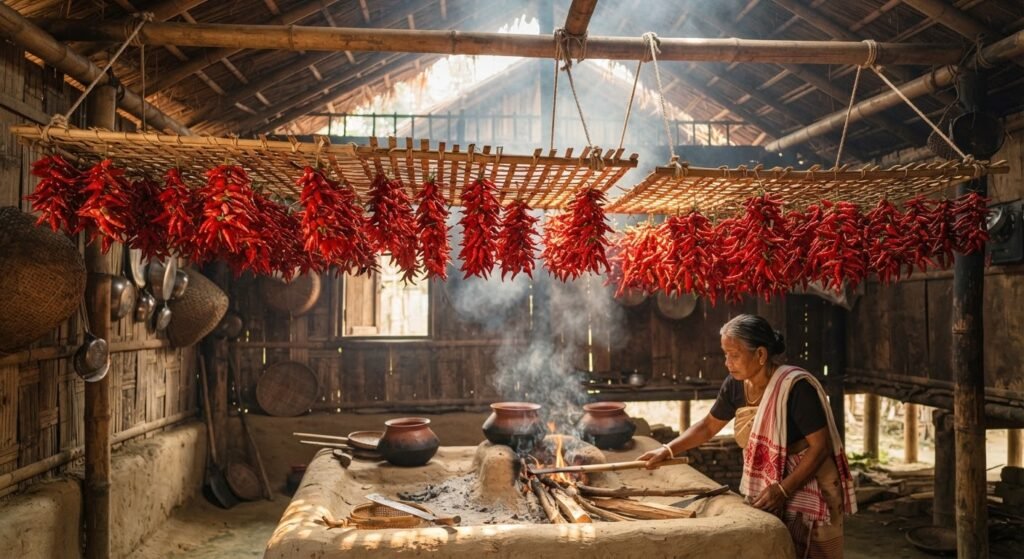
Bhut Jolokia chillies drying on smoking racks

03 · Assam & Nagaland

Bhut Jolokia: sacred fire and smoked preservation

The ghost pepper of Northeast India

Known locally as Bhut Jolokia, Raja Mircha or Naga chilli, this is one of the hottest chillies in the world, a natural hybrid of two capsicum species. Families in Assam and Nagaland traditionally smoke the pods over wood fires right after picking, which preserves them through the monsoon and gives them a deep, smoky fruitiness.

  • Botanical nameCapsicum chinense
  • RegionGolaghat, Assam & Nagaland
  • HarvestAugust – November
  • ProcessSun-cured, wood-smoked

1M+

Scoville units

85–92%

Humidity

Smoked

Preservation

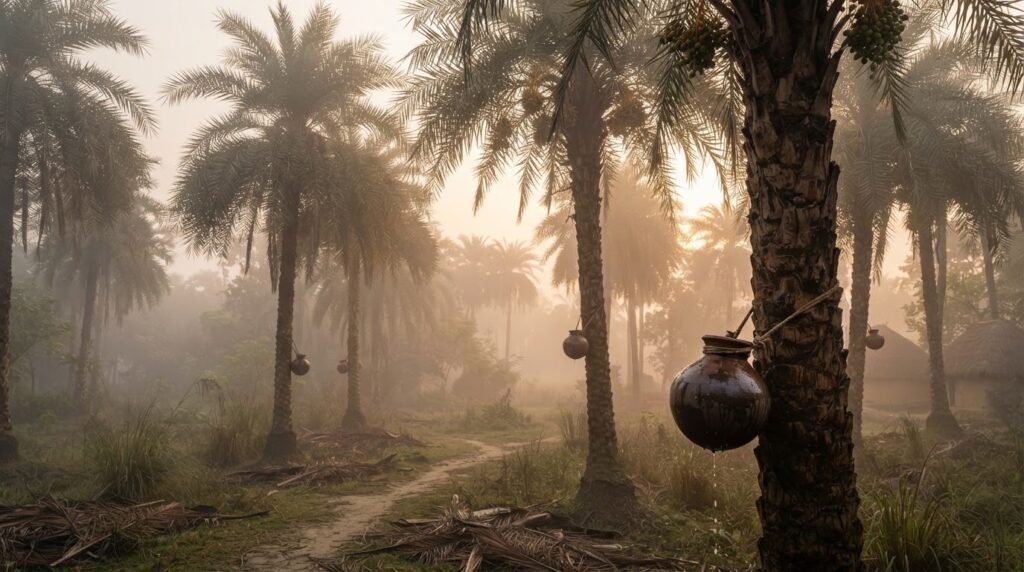
Date palm grove in winter morning fog, Bengal

04 · West Bengal

Khejur Gur: dawn nectar and wood-fired jaggery

A winter-only sweetener from the date palms of Bengal

Khejur gur, nolen gur when fresh, is made from the sap of the wild date palm. Tappers climb the palms in the evening to hang clay pots, and collect the sap before sunrise; once the sun warms the pots, the sap begins to ferment. It is boiled down the same morning into pourable jhola gur or set patali cakes, and is the heart of Bengal’s winter sweets.

  • Botanical namePhoenix sylvestris
  • RegionNadia, West Bengal
  • HarvestMid-November – mid-February
  • Made byTraditional palm tappers

Before 6 am

Sap collected

3 months

Season

Open-pan

Boiled

Rice paddies in the Imphal Valley, Manipur

05 · Manipur

Chak-Hao: the black rice of Manipur

An heirloom grain once reserved for royal feasts

Chak-Hao (from the Meitei words for rice and delicious) is a glutinous black rice grown in the Imphal Valley. Its deep violet colour comes from anthocyanins in the bran. Traditionally simmered in milk as chak-hao kheer, it cooks to a soft chew with a nutty, pandan-like aroma.

  • Botanical nameOryza sativa (glutinous)
  • RegionImphal Valley, Manipur
  • HarvestLate November – December
  • Grown byMeitei rice farmers

8.4×

Polyphenols vs brown rice

785 m

Elevation

4 hrs

Soak time

Taste the difference

Bring all five regions into your kitchen.

All five single-origin ingredients in a hand-finished wooden gift chest.